Online Pet Vet Pharmacy: Best Deals Up to 40% Off + FREE Shipping on Orders $100+




































-16% Sold out SulfamethazineTrimethoprim



ImmunoDol Immune system for Dogs
Price range: $39.60 through $58.30
Zpril Solution for Cattle, Horse and more 100ml
Original price was: $37.19.$33.66Current price is: $33.66.
Zpril powder for Cattle, Horse and more
Original price was: $138.45.$116.27Current price is: $116.27.
POWDER sulfamethazine + trimethoprim Zpril (Sulmet)
The combination of sulfamethazine-trimethoprim has a broad spectrum of action, covering gram-positive and gram-negative bacteria. The microorganisms that are very sensitive to the drug include the following bacteria: Escherichia coli, Clostridium spp., Shigella spp., Salmonella spp., Proteus mirabilis, Bacillus anthracis, Pasteurella spp., Haemophilus influenzae, Haemophilus ginar. Streptococcus pneumoniae, S. pyogenes, S. faecalis, S. viridans, S. agalactiae, Staphylococcus aureus, Proteus spp. and Brucella spp.
| ACTIVE INGREDIENT | Sulfamethazine, Trimethoprim |
|---|---|
| HEALTH CONDITION | Antibiotics |
| BRAND | INVESA, Livisto |
| ANIMALS | Broiler chickens, Camels, Cats, Cattle, Dogs, Fish, Fur animals, Goat, Horses, Pigeons, Pigs, Poultry, Rabbits, Sheep |
| FORM | Powder ❙ Granules |
| SIZE | 1000g (2.2lb) (1 pack) |
Out of stock
Description
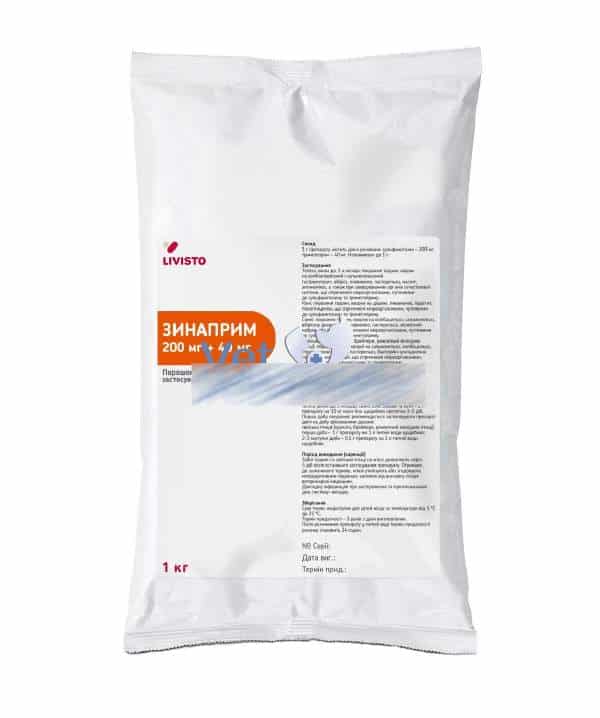
POWDER sulfamethazine + trimethoprim Zpril (Sulmet)
Fine white-yellow powder.
Storage
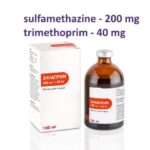
1 g of the drug contains active substances:
sulfamethazine – 200 mg,
trimethoprim – 40 mg.
Excipients: colloidal silicon dioxide, dextrose, lactose.
Pharmacological properties
ATCvet classification code QJ01 – antibacterial veterinary drugs for systemic use. QJ01EW30 – combinations of sulfonamides and trimethoprim.
Zpril is a combined chemotherapeutic drug with a broad spectrum of antimicrobial action.
Sulfamethazine is a synthetic chemotherapeutic agent from the group of sulfonamides. Trimethoprim is a synthetic chemotherapeutic agent derived from diaminopyrimidine.
Separately, each component has a mechanism of action similar to bacteriostatic, but sulfamethazine and trimethoprim, taken in a ratio of 5: 1, enhance the antimicrobial activity of the drug and give it a bactericidal nature of action.
This synergism of the association is due to the fact that its components affect two successive processes that are necessary for the synthesis of tetrahydrofolic acid or bacterial folic acid, which plays a major role in the synthesis of bacterial purines. The action of these two components is as follows:
sulfamethazine in its chemical characteristics is similar to p-aminobenzoic acid, and together with it participates in the formation of the enzyme dihydropteroyl synthetase, counteracting the formation of dihydrofolic acid;
trimethoprim blocks the next link in the biosynthetic chain, inhibiting the action of dihydrofolate reductase, an enzyme that accelerates the conversion of dihydrofolic acid to tetrahydrofolic acid.
The combination of these chemotherapeutic components gives the drug bactericidal action. The appearance of strains of microorganisms resistant to the drug is insignificant.
The combination of sulfamethazine-trimethoprim has a broad spectrum of action, covering gram-positive and gram-negative bacteria. The microorganisms that are very sensitive to the drug include the following bacteria: Escherichia coli, Clostridium spp., Shigella spp., Salmonella spp., Proteus mirabilis, Bacillus anthracis, Pasteurella spp., Haemophilus influenzae, Haemophilus ginar. Streptococcus pneumoniae, S. pyogenes, S. faecalis, S. viridans, S. agalactiae, Staphylococcus aureus, Proteus spp. and Brucella spp.
Both components of the drug are completely absorbed from the digestive tract. The maximum concentration of active components of the drug in the serum is observed after 1 – 4 hours.
Trimethoprim penetrates cells and tissue barriers – lungs, kidneys, prostate, bile, saliva, sputum, cerebrospinal fluid. Protein binding to trimethoprim – 50%, half-life – normally from 8.0 to 17 hours. The main route of excretion of trimethoprim – through the kidneys, 50% – unchanged.
Plasma protein binding of sulfamethazine is 66%, with a half-life of 9 to 11 hours. The main route of excretion – through the kidneys, and from 15 to 30% in active form.
Application
Calves up to 3 months of age: treatment of animals with colibacillosis and salmonellosis gastroenteritis, vibriosis, pneumonia, pasteurellosis, mastitis, actinomycosis, as well as diseases of the genitourinary system caused by microorganisms sensitive to sulfamethazine.
Horses: treatment of animals with diarrhea, pneumonia, mumps, pyosepticemia caused by microorganisms sensitive to sulfamethazine and trimethoprim.
Pigs: treatment of animals with colibacillosis, salmonellosis, vibrio dysentery, pneumonia, pasteurellosis, malignant edema, abscesses caused by microorganisms sensitive to sulfamethazine and trimethoprim.
Poultry (chickens, broilers, broilers): treatment of birds with salmonellosis, colibacillosis, streptococcal infections, pasteurellosis, bacterial complications after viral infections caused by microorganisms sensitive to sulfamethazine and trimethoprim.
Dogs and cats: treatment of animals with septicemia, bacterial enteritis, as well as respiratory diseases caused by microorganisms sensitive to sulfamethazine and trimethoprim.
Dosage
Orally with drinking water, milk or feed in doses:
Calves (under 3 months of age), pigs, horses, dogs and cats – 1 g of the drug per 10 kg of body weight daily for 3-5 days. The first day of treatment: it is recommended to use the drug twice a day in fixed doses.
Poultry (chickens, broilers, repair young poultry): the first day – 1 g of the drug per 1 liter of drinking water daily; The next 2-3 days – 0.5 g of the drug per 1 liter of drinking water daily.
Contraindication
Do not use in animals with individual hypersensitivity to sulfamethazine and trimethoprim.
Do not use in animals with renal or hepatic insufficiency. Do not use simultaneously with p-aminobenzoic acid and folate.
Do not use in ruminants with functionally developed pancreas.
Do not use in laying hens whose eggs are used for human consumption.
Delivery
We offer FREE SHIPPING WORLDWIDE for all products.
Questions & Answers
Questions and answers of the customers
Related products
-6% Tylosin
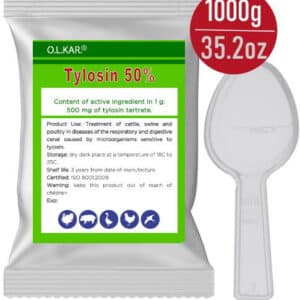
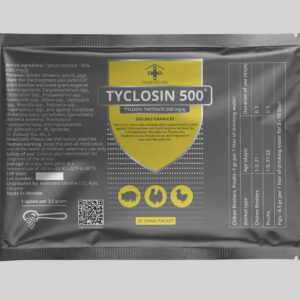
TYCLOSIN 500 mg/g Soluble Powder for dogs, chickens and pigs (100g/0.22lbs)
Tylosin (Tylan powder) 500 mg for chickens ● poultry ● pigs ● dogs
Tylosin is an antibiotic typically used to treat bacterial infections in farm animals, but veterinarians often use it to treat certain types of chronic diarrhea in cats and dogs. The powder form is not FDA approved for use in companion animals, but it is common practice for veterinarians to prescribe this medication. The drug is also given as an injectable type.
It is prescribed for the prevention and treatment of respiratory mycoplasmosis of birds, infectious sinusitis of turkeys, as well as the treatment of dysentery and gastroenterocolitis of bacterial etiology of pigs, bronchopneumonia of calves caused by pathogens sensitive to tylosin. To combat necrobacteriosis in cattle and small ruminants.

-14% Enrofloxacin

-13% Hot New Tylosin

Tyclosin 50 mg Pharmastar Sterile Solution *inj 50ml (1.7 oz)
- An antibiotic for beef cattle, non-lactating dairy cattle and swine only
- Recommended for use in calves weighing less than 200 pounds
- Administered intramuscularly for quick relief
- Treats pneumonia (shipping fever), foot rot, diphtheria and metritis in cattle
- Treats arthritis, pneumonia, erysipelas and dysentery in swine
-12% Amoxicillin
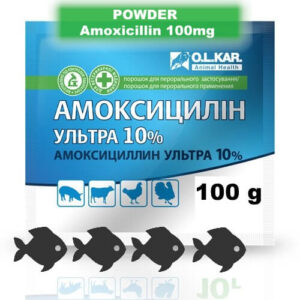
Amox 10% powder useful to control of some common bacterial fish and animals 100g
Amoxicillin Ultra 10% Powder
Treatment of calves (under 3 months), pigs and poultry (chickens, broilers, replacement chicks birds) in diseases of the digestive tract, respiratory and urinary tract, skin and soft tissue caused by microorganisms sensitive to amoxicillin.
Dosage Oral doses of calves up to 3 months and pigs -1-2 g product per 10 kg of body weight per day up or 7-15 g product per 10 liters of drinking water per day up within 5-7 days; poultry (chicken, chickens, young birds repair) – 0.5 – 1 g drug per 10 kg of body weight per day up or 5-10 g product per 10 liters of drinking water per day up within 5-7 days. Renew the water with the drug should be every 24 hours.

-6% Tylosin
TYCLOSIN 500 mg/g Soluble Powder for dogs, chickens and pigs (100g/0.22lbs)
Tylosin (Tylan powder) 500 mg for chickens ● poultry ● pigs ● dogs
Tylosin is an antibiotic typically used to treat bacterial infections in farm animals, but veterinarians often use it to treat certain types of chronic diarrhea in cats and dogs. The powder form is not FDA approved for use in companion animals, but it is common practice for veterinarians to prescribe this medication. The drug is also given as an injectable type.
It is prescribed for the prevention and treatment of respiratory mycoplasmosis of birds, infectious sinusitis of turkeys, as well as the treatment of dysentery and gastroenterocolitis of bacterial etiology of pigs, bronchopneumonia of calves caused by pathogens sensitive to tylosin. To combat necrobacteriosis in cattle and small ruminants.
-16% NorsulfazoleOxytetracyclineSulfadimidineTrimethoprimTylosin
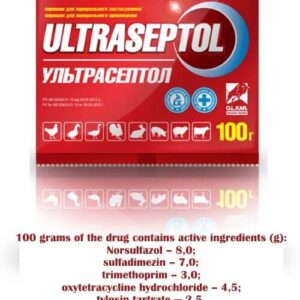
Ultrasept powder for Cattle, Pigs, Sheeps, Poultry 500 g
Ultrasept powder (sulfadimine, oxytetracycline, trimethoprim, tylosin, norsulfazole)
For the prevention and treatment of animals and poultry with primary and secondary bacterial infections of the respiratory, digestive and urinary tracts that is: the upper respiratory tract catarrh, pneumonia, enteritis, cystitis, mastitis, septicemia, postnatal complications, and a size of specific infections:
– Calves – Salmonella gastroenteritis kolibatselyarny, pasteurellosis, vibriosis;
– Pigs – enzootic pneumonia, arthritis, dysentery, edematous disease erysipelas, salmonellosis, pasteurellosis;
– Sheep – septicemia, eymerioz, contagious agalactia;
– Poultry – typhoid, cholera, salmonellosis, mycoplasmosis, rhinitis.
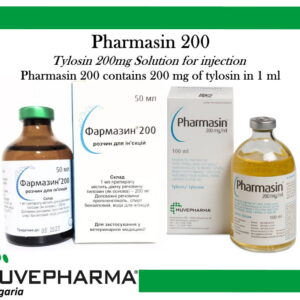
-16% New Tylosin

-5% Tylosin
TYCLOSIN 500mg / 50% powder for poultry, chickens and pigs (500g)
Tylosin (Tylan powder) 500mg for dogs✔ for chickens✔ for cats✔
Tylosin is an antibiotic typically used to treat bacterial infections in farm animals, but veterinarians often use it to treat certain types of chronic diarrhea in cats and dogs. The powder form is not FDA approved for use in companion animals, but it is common practice for veterinarians to prescribe this medication. The drug is also given as an injectable type.
Tylosin – the drug of a wide spectrum bacteriostatic action.
Active ingredient tylosin tartrate 500 mg is a mixture of macrolide antibiotics produced by a strain of Streptomyces fradiae, comprising mainly tylosin A.
For: Chickens, Turkeys, Swine, Honey Bees, and occasionally can be prescribed to dogs and cats