Online Pet Vet Pharmacy: Best Deals Up to 40% Off + FREE Shipping on Orders $100+






























-8% Sold out 


DEWORMER *Inj for Cattle and Sheep - 50ml
Original price was: $82.50.$74.80Current price is: $74.80.
Zotil 100 for Cats and Dogs 5ml
Original price was: $137.50.$114.40Current price is: $114.40.
Dyfalite Solution amino acids, vitamin 500ml
Original price was: $80.17.$73.59Current price is: $73.59.
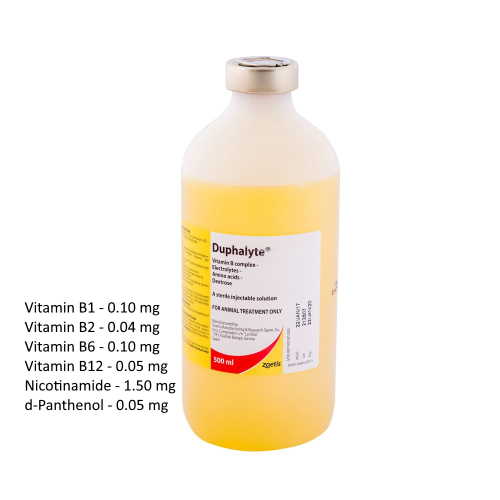
Duphalyte 500 ml
– VITAMINS: Thiamine hydrochloride (vit B1), Riboflavin (as Riboflavin sodium phosphate) (vit B2), Pyridoxine hydrochloride (B6), Cyanocobalamin (vit B12), Nicotinamide, Dexpanthenol,
– ELECTROLYTES: Calcium chloride hexahydrate, Magnesium sulphate heptahydrate, Potassium chloride,
– AMINO ACIDS: Arginine, Cisteine, Anhydrous dextrose
| ACTIVE INGREDIENT | Complex multivitamin, Vitamin B1, Vitamin B12, Vitamin B2, Vitamin B5, Vitamin B6, Vitamin B9, Vitamin В2, Vitamins B |
|---|---|
| HEALTH CONDITION | Immune system, Vitamin and mineral |
| BRAND | Zoetis |
| ANIMALS | Broiler chickens, Cats, Cattle, Dogs, Fur animals, Goat, Horses, Pigeons, Pigs, Poultry, Rabbits, Sheep |
| FORM | Solution |
| SIZE | 500ml (16.9 oz) |
Out of stock
Description
Duphalyte Infusion fluid, 500 ml
Duphalyte – amino acids, vitamins, electrolytes for energy
Duphalyte is intended for the maintenance therapy of weakened animals or animals with dehydration, especially in cases where the use of drugs inside is difficult. Application of the drug to productive animals and poultry during the feeding period improves growth rates, feed absorption and, by stabilizing the electrolyte balance, reduces the mortality of chickens. Amino acids included in Dufalayt are available material for the synthesis of blood proteins, antibodies, erythropoiesis, and hormone transport.
Duphalyte contains dextrose, which is necessary to supply the body with energy, electrolytes, to replace the salts lost by the body, as well as B vitamins to normalize the function of enzymes.
With intravenous, subcutaneous, and intraperitoneal administration of the drug, the active substances that make up Duphalyte are quickly and completely absorbed. The drug is excreted from the body mainly with urine and bile.
Composition
The medicinal product contains in 1 ml of solution, at least:
Vitamins:
Vitamin B1 – 0.10 mg
Vitamin B2 – 0.04 mg
Vitamin B6 – 0.10 mg
Vitamin B12 – 0.05 mg
Nicotinamide – 1.50 mg
d-Panthenol – 0.05 mg
Electrolytes:
Calcium chloride – 0.23 m
Magnesium sulfate – 0.29 mg
Potassium chloride – 0.20 mg
Amino Acids and Nutrients:
Dextrose – 45.56 mg
L-Arginine – 0.025 mg
L-Cysteine - 0.01 mg
Monosodium glutamate – 0.04 mg
L-Histidine – 0.01 mg
L-Isoleucine – 0.01 mg
L-Leucine – 0.04 mg
L-Lysine – 0.03 mg
L-Methionine – 0.01 mg
DL-Phenylalanyl – 0.03 mg
L-Threonine – 0.02 mg
DL-Tryptophan – 0.01 mg
DL-Valine – 0.05 mg
Excipients:
Methylparaben – 1.80 mg
Propylparaben – 0.20 mg
Phenol – 0.10 mg
EDTA – 0.15 mg
Sodium acetate – 2.50 mg
Citric acid (as a pH regulator)
Water for injection up to 1.0 ml
The drug Duphalyte does not contain genetically modified products.
Indications
Duphalyte is used for the prevention and treatment of hypovitaminosis, violation of protein metabolism, increasing the resistance of farm animals, including birds, as well as cats and dogs. Duphalyte injection can also be used to prevent stress during the transport or movement of animals and birds.
Doses and method of administration
The drug is administered using the following routes of administration and doses:
Method of administration:
Horses – slowly intravenously;
Cattle, pigs – slowly intravenously, subcutaneously, intraperitoneally;
Dogs, cats – slowly intravenously, subcutaneously;
Chickens (age 1 day) – subcutaneously.
Dosage:
Horses, cattle, pigs – up to 100 ml per 50 kg of animal weight;
Foals, calves, piglets – up to 30 ml per 5 kg of animal weight;
Dogs, cats – up to 50 ml per 5 kg of animal weight;
Chickens (1 day old) – 0.5-1.0 ml per chicken.
Duphalyte can be used during pregnancy and lactation.
1 kilogram (kg) is equal to 2.20 pounds (lbs).
| Cattle | 1 – 2 mL per 100 lbs of body weight |
| Calves | 2 – 4 mL per 100 lbs of body weight |
| Horses | 1 – 2 mL per 100 lbs of body weight |
| Pigs | 2 – 5 mL per 100 lbs of body weight |
| Piglets | 1 – 2.5 mL per animal |
| Poultry | 1 – 3 mL per Liter drinking water |
The medicinal product is compatible with all feed ingredients, feed additives, and other medicinal products.
Side effects
When using the drug in recommended dosages, side effects and complications were not identified.
Contraindications
Duphalyte is contraindicated in animals with hypersensitivity to active substances.
special instructions
Livestock products after application of the drug can be used for food purposes without restrictions.
Personal prevention measures
When working with a medicinal product, you should follow the general rules of asepsis, personal hygiene, and safety measures adopted when working with medicinal products for animals.
After work, wash your hands thoroughly with warm water and soap. Smoking, drinking, and eating are not allowed during work.
Empty bottles from Duphalyte are disposed of. It is prohibited to use them for other purposes.
In case of accidental contact of the drug on the skin, wash it off with soap and water. If Dufalayta gets on the mucous membranes and eyes, they are washed with clean water.
Storage conditions
In the manufacturer’s packaging in a dry, protected from direct sunlight and out of reach of children and animals, separately from food and feed at a temperature from 2 ºС to 20 ºС. The shelf life is 24 months.
The drug Duphalyte should not be used after the expiration date. After the first opening of the bottle, the drug must be used within 28 days.
Delivery
We offer FREE SHIPPING WORLDWIDE for all products.
Questions & Answers (4)
Questions and answers of the customers
-
A After the first opening of the bottle, the product must be used within 28 days.
-
A Up to 50 ml per 5 kg of animal weight
-
A Please administrate 2 ml per one bird.
You may also like…

Sold out 
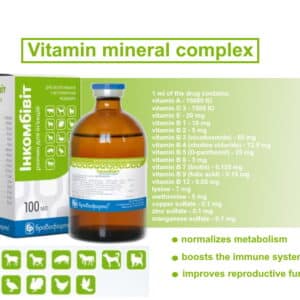
Gama 100 ml
Gamavit 100 ml ➜ (analog Stimu Immun)

Related products
-19% 
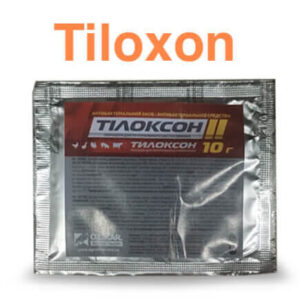
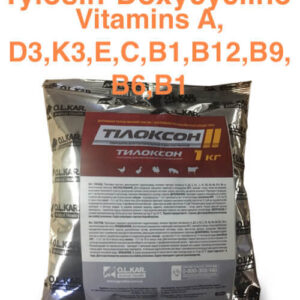
Tiloxon powder For Broiler chickens, Poultry, Cattle (10g)
Doxycycline hydrochloride, tylosin tartrate, vitamins
For the treatment of mixed infections in young cattle, pigs and poultry, such as diseases of the gastrointestinal tract, respiratory tract, genitourinary system, skin, mastitis, metritis, agalactia.
The drug improves the growth and development of a young organism, reduces the likelihood of stress.
The drug is administered orally in a mixture with water or feed in the following doses:
poultry – at the rate of 1-1.5 g of preparation per 1 liter of drinking water;
young cattle – 1-1.5 g per 10 kg of body weight
pigs – 1-2 g per 10 kg of body weight.
For treatment, the drug is given twice a day for 3-5 days until the recovery or improvement of the general condition. With the preventive purpose – once a day for 3-5 days.

-16% 
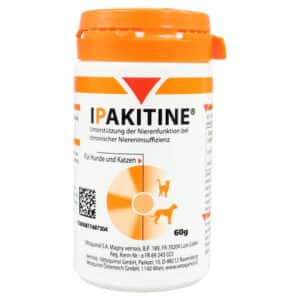
Nutritional supplement for dogs and cats with chronic renal insufficiency (60g/2.11oz)
Vetoquinol Ipakitine - Epakitin for Dogs and Cats
Your pet’s kidneys are constantly cleaning their blood. As your pet ages however, the performance of the kidneys can diminish. This can lead to Chronic Renal Failure (CRF) or kidney failure, a leading cause of illness in dogs and cats. Signs of CRF can include a loss of energy in your pet, drinking excess water and urination, and ultimately a loss of appetite. It can be a sad, slow process to witness. There is help however, with Epakitin.


Sold out 

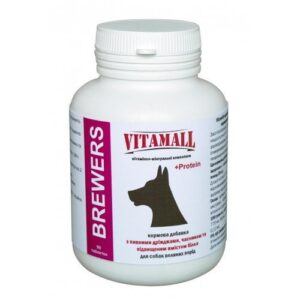
Supplement for large dogs – 90 tab/180 g
Feed additive for domestic, lactating, pregnant dogs of large and giant breeds (adult dog over 20kg) of any age.
It is used to prevent vitamin and mineral deficiency, to increase immunity, to prevent diseases of the digestive and respiratory systems, to stimulate reproductive function and growth, as well as to improve the condition of the hair and skin of animals.