Online Pet Vet Pharmacy: Best Deals Up to 40% Off + FREE Shipping on Orders $100+








































GlucoseOther

Back to products


Caffe solution 20% Cat, Cattle, Dog, Goat, Horse, Pig, Sheep 10ml *10pcs
Original price was: $25.30.$22.00Current price is: $22.00.
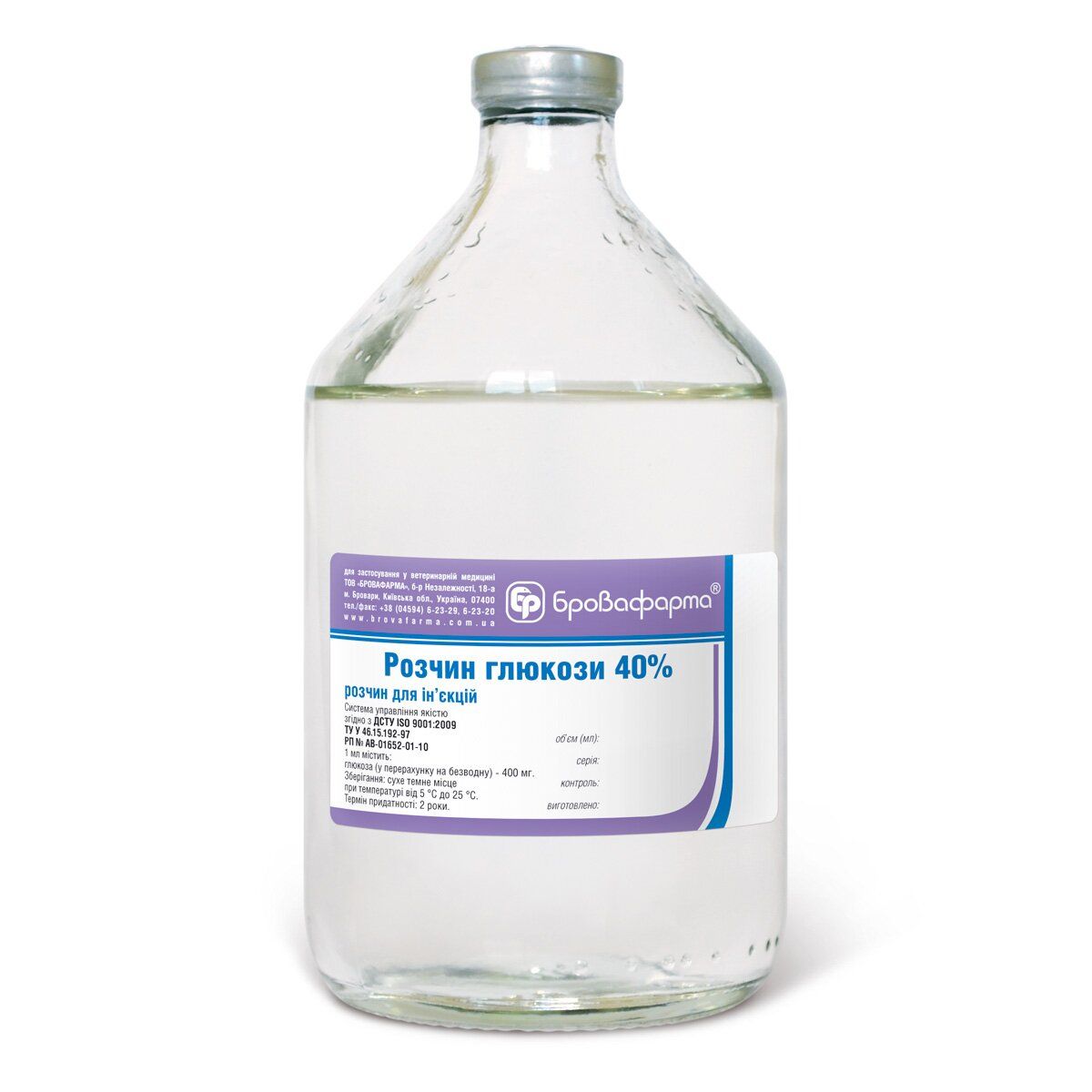
40% glucose solution 200 ml – BF
$22.00
The solution for injection. A bottle of 200 ml.
| ACTIVE INGREDIENT | Glucose |
|---|---|
| HEALTH CONDITION | Other |
| BRAND | Brovafarma |
| ANIMALS | Broiler chickens, Camels, Cats, Cattle, Dogs, Fur animals, Goat, Horses, Pigeons, Pigs, Poultry, Rabbits, Sheep |
| FORM | Solution |
| SIZE | 200ml (6.76 oz) |
Customers Also Viewed


Description
40% glucose solution
solution, etc. injection
Storage
1 ml contains:
Glucose 400 mg (calculated as anhydrous)
Description
Colorless or yellowish, translucent, sweet taste.
Pharmacological properties
Intravenous hypertonic glucose solution 40% changes the osmotic-dynamic equilibrium between the plasma and tissue fluid increases osmotic pressure increases the fluid flow and the flow of metabolic products and toxins from the tissues into the blood, accelerates metabolic processes, increases urine output, improves heart expands vessels. Glucose directly affect the course of biochemical processes in tissues, provides the power supply, floor connected with glycolysis, and activates the function of internal organs.
Glucose is a source of easily digestible energy in enhanced functional activity of the brain, improves autonomic innervation. Along with galactose and lactose is used for the synthesis of acetylcholine; activates the contractile function of the myocardium, especially fatigue, improves coronary circulation, increases the efficiency of the heart yaza with excessive loads due to infectious diseases and intoxications. Glucose increases the contractility of the uterus during childbirth and the postpartum period, in case of metritis has anti-inflammatory effect, stimulates m muscle work. Formation of energy contraction of striated floor muscles related decoupling of phosphocreatine and the use of easily digestible carbohydrates, such as glucose.
Protytoksychna effect of glucose floor related to its ability to form complex, less toxic compounds from poisons and toxins, increase diuresis and helps to eliminate them from the body.
Indication
Treatment of animals in disorders of the central nervous system (inhibition or stimulation), violation of the autonomic innervation, severe acute infectious pathologies and krovoparazytarnyh, various forms of cardiovascular disease, lowering blood yanoho pressure, significant blood loss.
Treatment of poisoning, drug poisoning, mercury, arsenic, strychnine, sodium nitrite, etc., pulmonary edema, liver disease (hepatitis, cirrhosis), low urine output, ketosis, puerperal hemoglobinuria cows Ketonuria toxemia and dairy cows, sheep Ketonuria.
Apply with weak uterine contractility, postpartum paresis as an aid in gastrointestinal, lung and other internal bleeding, hemorrhagic diathesis, and as a solvent for some drugs in order to reduce their toxicity or prolongation of action.
Contraindication
Do not administer to animals with hyperglycemia.
Dosage and Administration
Before using the drug is heated to body temperature of the animal, and only slowly injected intravenously.
Dose 1 pet is:
Riding 30-120 ml;
Cattle 30-150 ml;
sheep, goats, pigs 10-30 ml;
dog 5.10 ml;
fox, fox 1-5 ml.
Reservation
Do not enter under the skin, it can cause necrosis of the subcutaneous tissue.
With the rapid introduction of a vein is the risk of phlebitis, clots.
The drug is not compatible with hexamethylenetetramine (hexamine) solutions alkaloids (causing their decomposition), general anesthetics (reduces their activity).
Glucose reduces the effect of analgesic, adrenomimeticheskoe means nystatin, inactivates the action of streptomycin lengthens the effect of drugs, adrenaline penicillin.
Packaging
Glass bottles of 200 ml.
Storage conditions
In a dry, dark place at temperatures from +5 to +25 C.
Expiration date
2 years.
Delivery
We offer FREE SHIPPING WORLDWIDE for all products.
Questions & Answers
Questions and answers of the customers
Related products
-7% Water for injectionOther

Sodium chlorideOther
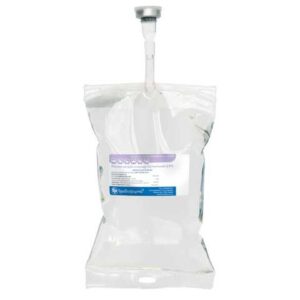
Sodium chloride solution – 250 ml (8.45 fl. oz) – BF
DESCRIPTION
Structure
1 ml of the drug contains:
sodium chloride - 9 mg
Description
The liquid is colorless, transparent.
Pharmacological properties
Sodium chloride is involved in water-salt metabolism, maintains and regulates osmotic pressure, has detoxification, rehydration effect, replenishes sodium deficiency in various pathological conditions of the body, temporarily increases the volume of fluid circulating through the vessels.
Sodium ions penetrate the cell membrane through various transport mechanisms, in particular the sodium-potassium pump (Na-K-ATPase). Sodium contributes to the transmission of signals in neurons, electrophysiological processes of the heart, metabolic processes in the kidneys. It is excreted from the body after renal reabsorption in the urine, a small amount in the feces and sweat.
Indications
Treatment of animals with significant losses of organic fluid (dehydration) - intoxication, diarrhea, burn disease, toxic dyspepsia, decreased blood pressure, shock, after surgery.
For washing wounds, mouth, nose, mucous membranes of the eyes, as a solvent for veterinary and biological products.
APPLICATION
Method of administration and dosage
Before use, the drug is heated to the body temperature of the animal and injected intravenously, intramuscularly, or subcutaneously in the following doses per animal:
- cattle - 500-3000 ml;
- horses - 300-2500 ml;
- sheep, goats - 100-500 ml;
- pigs - 10-150 ml;
- dogs - 20-100 ml.
Sodium chlorideOther
Sodium chloride solution – 500 ml (16.9 fl. oz) – BF
DESCRIPTION
Structure
1 ml of the drug contains:
sodium chloride - 9 mg
Description
The liquid is colorless, transparent.
Pharmacological properties
Sodium chloride is involved in water-salt metabolism, maintains and regulates osmotic pressure, has detoxification, rehydration effect, replenishes sodium deficiency in various pathological conditions of the body, temporarily increases the volume of fluid circulating through the vessels.
Sodium ions penetrate the cell membrane through various transport mechanisms, in particular the sodium-potassium pump (Na-K-ATPase). Sodium contributes to the transmission of signals in neurons, electrophysiological processes of the heart, metabolic processes in the kidneys. It is excreted from the body after renal reabsorption in the urine, a small amount in the feces and sweat.
Indications
Treatment of animals with significant losses of organic fluid (dehydration) - intoxication, diarrhea, burn disease, toxic dyspepsia, decreased blood pressure, shock, after surgery.
For washing wounds, mouth, nose, mucous membranes of the eyes, as a solvent for veterinary and biological products.
APPLICATION
Method of administration and dosage
Before use, the drug is heated to the body temperature of the animal and injected intravenously, intramuscularly, or subcutaneously in the following doses per animal:
- cattle - 500-3000 ml;
- horses - 300-2500 ml;
- sheep, goats - 100-500 ml;
- pigs - 10-150 ml;
- dogs - 20-100 ml.
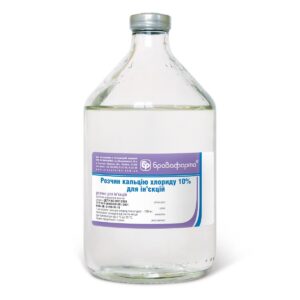
Calcium chlorideOther
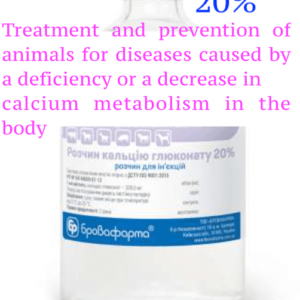
Calcium gluconateOther
100ml (3.38 oz)
250ml (8.45 oz)
Solution Calcium Gluconate for dogs, cattle, sheep, pigs, goats, horses…
Calcium Gluconate 20%
Treatment and prevention of animals for diseases caused by a deficiency or a decrease in
calcium metabolism in the body, especially with a decrease in its content in bones, rickets, at
the initial stages of inflammatory processes of various origins, with bleeding, hemorrhagic
diathesis, urticaria, rheumatic inflammation, pre-and postnatal deposits, postpartum paresis,
retention of the placenta, decalcification of the body during pregnancy and lactation, tetany of
pregnant women, eclampsia in bitches and sows, allergies and toxicosis.
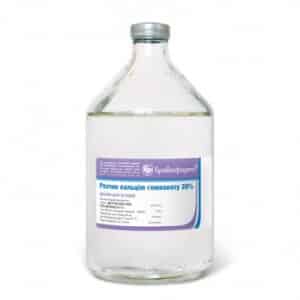
Calcium gluconateOther
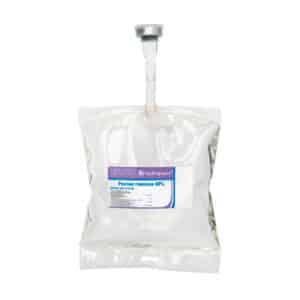
GlucoseOther
40% glucose solution 250 ml – BF
40% glucose solution for injection
Storage
1 ml contains:
Glucose 400 mg (calculated as anhydrous)
Description
Colorless or yellowish, translucent, sweet taste.
Pharmacological properties
Intravenous hypertonic glucose solution 40% changes the osmotic-dynamic equilibrium between the plasma and tissue fluid increases osmotic pressure increases the fluid flow and the flow of metabolic products and toxins from the tissues into the blood accelerates metabolic processes, increases urine output, improves heart expands vessels. Glucose directly affects the course of biochemical processes in tissues, provides the power supply, floor connected with glycolysis, and activates the function of internal organs.
Treatment of animals in disorders of the central nervous system (inhibition or stimulation), violation of the autonomic innervation, severe acute infectious pathologies, and, various forms of cardiovascular disease, lowering blood pressure, significant blood loss.
Treatment of poisoning, drug poisoning, mercury, arsenic, strychnine, sodium nitrite, etc., pulmonary edema, liver disease (hepatitis, cirrhosis), low urine output, ketosis, puerperal hemoglobinuria cows Ketonuria toxemia and dairy cows, sheep Ketonuria.
Apply with weak uterine contractility, postpartum paresis as an aid in the gastrointestinal, lung, and other internal bleeding, hemorrhagic diathesis, and as a solvent for some drugs in order to reduce their toxicity or prolongation of action.

-13% CaffeineSodium benzoateOther