Online Pet Vet Pharmacy: Best Deals Up to 40% Off + FREE Shipping on Orders $100+




































-19% 


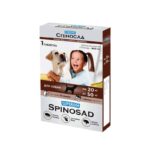
Natural flea control tablets for Dogs and Cats 20-50kg (44-110lbs)
Original price was: $36.85.$33.99Current price is: $33.99.
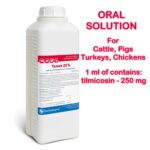
Tilmic Oral Solution For animals 1000 ml
Original price was: $241.77.$207.67Current price is: $207.67.
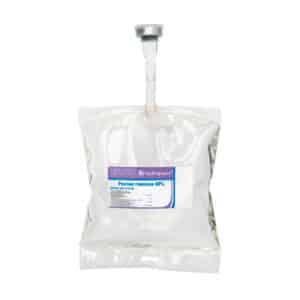
Ringer’s Solution Lactate 250 ml
Original price was: $28.30.$22.87Current price is: $22.87.
| ACTIVE INGREDIENT | Calcium chloride, Potassium chloride, Sodium chloride, Sodium lactate |
|---|---|
| HEALTH CONDITION | Other |
| BRAND | Brovafarma |
| ANIMALS | Cats, Cattle, Dogs, Goat, Horses, Pigs, Poultry, Rabbits, Sheep |
| FORM | Solution |
| SIZE | 250ml (8.45 oz) |
Customers Also Viewed

Original price was: $29.00.$26.00Current price is: $26.00.

Description
Ringer’s Solution Lactate, 250ml
Storage
1 ml of the drug contains:
sodium chloride – 6.32 mg
potassium chloride – 0.4 mg
calcium chloride hexahydrate – 0.533 mg
sodium lactate – 3.25 mg
Description
The liquid is colorless, transparent.
Pharmacological properties
The rehydration preparation contains ions of sodium, potassium, calcium, chloride and lactate in concentrations close to physiological. Normalizes the hemodynamics of reduced fluid volume in animals, has a detoxifying effect, stabilizes the aqueous and electrolyte composition of blood. The effect of replenishing circulating blood volume is short-lived and lasts up to 40 minutes after administration.
Sodium ions penetrate the cell membrane through transport mechanisms, in particular the sodium-potassium pump (Na-K-ATPase). Sodium promotes the transmission of signals in neurons, supports the electrophysiological processes of the heart, metabolic processes in the kidneys.
Potassium ions are involved in cellular metabolism.
Calcium ions are required for hemostasis, the work of ectocytosis and endocytosis proteins, the release of vesicles and the secretion of substances from the cell to the outside. Calcium ions in the form of insoluble salts are involved in the formation of skeletal structures of the animal.
Sodium lactate is metabolized in the body to bicarbonate anions, has an alkalizing effect.
The components of the drug are excreted in the urine after renal reabsorption.
Indication
Used as a means of rational infusion therapy to maintain hemodynamic function, treatment of animals with significant blood loss, intoxication, diseases that are accompanied by dehydration (diarrhea, peritonitis, trauma, surgery, etc.).
Used as a solvent for dry injectable drugs and vaccines.
Contraindication
Do not inject the solution intravenously in renal excretory disorders.
In the recommended doses it does not give side effects and does not cause complications in animals.
Method of application and dosage
Before administration, the solution is warmed to the body temperature of the animal, administered intravenously (preferably drip) or subcutaneously once a day.
Doses and frequency of application depend on the body weight of the animal and the severity of the disease.
The drug is administered subcutaneously in small doses in different places.
Doses per animal are:
- cattle, horses – 1000-3000 ml;
- the calf, the bad one – 200-500 ml;
- sheep, goats – 200-300 ml;
- dogs – 50-250 ml;
- cats – 10-50 ml.
Reservation
When administered subcutaneously at the injection site, edema may occur, which disappears after 2-3 hours.
Storage conditions
In a dry, dark place at a temperature of +4 to +25 ° C.
Expiration date
3 years.
Delivery
We offer FREE SHIPPING WORLDWIDE for all products.
Questions & Answers
Questions and answers of the customers
You may also like…
-6% 
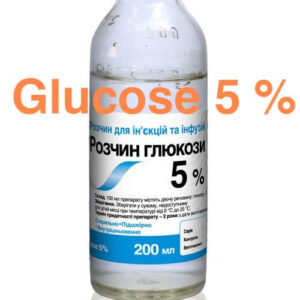
Glucose 5 Solution *inj 200ml
Glucose 50 mg/ml injectable
It is indicated for the treatment of diseases associated with disorders of the central nervous system (inhibition and excitation), violation of the autonomic nervous system, severe acute infectious diseases, various forms of cardiovascular disease, the fall of blood pressure, significant blood loss. Glucose solutions are indicated in case of poisoning, intoxication by narcotic drugs, mercury, arsenic, strychnine, sodium nitrite, and other substances; pulmonary edema, liver diseases (hepatitis and cirrhosis), lack of diuresis; acetonemia, postpartum hemoglobinuria in cows, ketonuria and toxemia of dairy cows, sheep ketonuria; weak uterine contractility, maternity paresis; as a hemostatic agent while gastrointestinal, lung and other internal bleeding, hemorrhagic diathesis. Some drugs to reduce toxicity or extension of their validity are dissolved in solutions of glucose.
Related products


Sodium chloride solution – 250 ml (8.45 fl. oz) – BF
DESCRIPTION
Structure
1 ml of the drug contains:
sodium chloride - 9 mg
Description
The liquid is colorless, transparent.
Pharmacological properties
Sodium chloride is involved in water-salt metabolism, maintains and regulates osmotic pressure, has detoxification, rehydration effect, replenishes sodium deficiency in various pathological conditions of the body, temporarily increases the volume of fluid circulating through the vessels.
Sodium ions penetrate the cell membrane through various transport mechanisms, in particular the sodium-potassium pump (Na-K-ATPase). Sodium contributes to the transmission of signals in neurons, electrophysiological processes of the heart, metabolic processes in the kidneys. It is excreted from the body after renal reabsorption in the urine, a small amount in the feces and sweat.
Indications
Treatment of animals with significant losses of organic fluid (dehydration) - intoxication, diarrhea, burn disease, toxic dyspepsia, decreased blood pressure, shock, after surgery.
For washing wounds, mouth, nose, mucous membranes of the eyes, as a solvent for veterinary and biological products.
APPLICATION
Method of administration and dosage
Before use, the drug is heated to the body temperature of the animal and injected intravenously, intramuscularly, or subcutaneously in the following doses per animal:
- cattle - 500-3000 ml;
- horses - 300-2500 ml;
- sheep, goats - 100-500 ml;
- pigs - 10-150 ml;
- dogs - 20-100 ml.

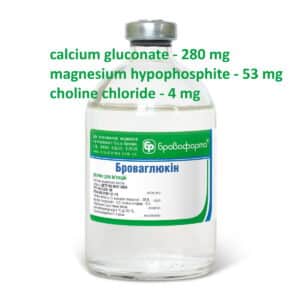
40% glucose solution 250 ml – BF
40% glucose solution for injection
Storage
1 ml contains:
Glucose 400 mg (calculated as anhydrous)
Description
Colorless or yellowish, translucent, sweet taste.
Pharmacological properties
Intravenous hypertonic glucose solution 40% changes the osmotic-dynamic equilibrium between the plasma and tissue fluid increases osmotic pressure increases the fluid flow and the flow of metabolic products and toxins from the tissues into the blood accelerates metabolic processes, increases urine output, improves heart expands vessels. Glucose directly affects the course of biochemical processes in tissues, provides the power supply, floor connected with glycolysis, and activates the function of internal organs.
Treatment of animals in disorders of the central nervous system (inhibition or stimulation), violation of the autonomic innervation, severe acute infectious pathologies, and, various forms of cardiovascular disease, lowering blood pressure, significant blood loss.
Treatment of poisoning, drug poisoning, mercury, arsenic, strychnine, sodium nitrite, etc., pulmonary edema, liver disease (hepatitis, cirrhosis), low urine output, ketosis, puerperal hemoglobinuria cows Ketonuria toxemia and dairy cows, sheep Ketonuria.
Apply with weak uterine contractility, postpartum paresis as an aid in the gastrointestinal, lung, and other internal bleeding, hemorrhagic diathesis, and as a solvent for some drugs in order to reduce their toxicity or prolongation of action.

-12% Sold out New