Online Pet Vet Pharmacy: Best Deals Up to 40% Off + FREE Shipping on Orders $100+



























-9% New Ciprofloxacin


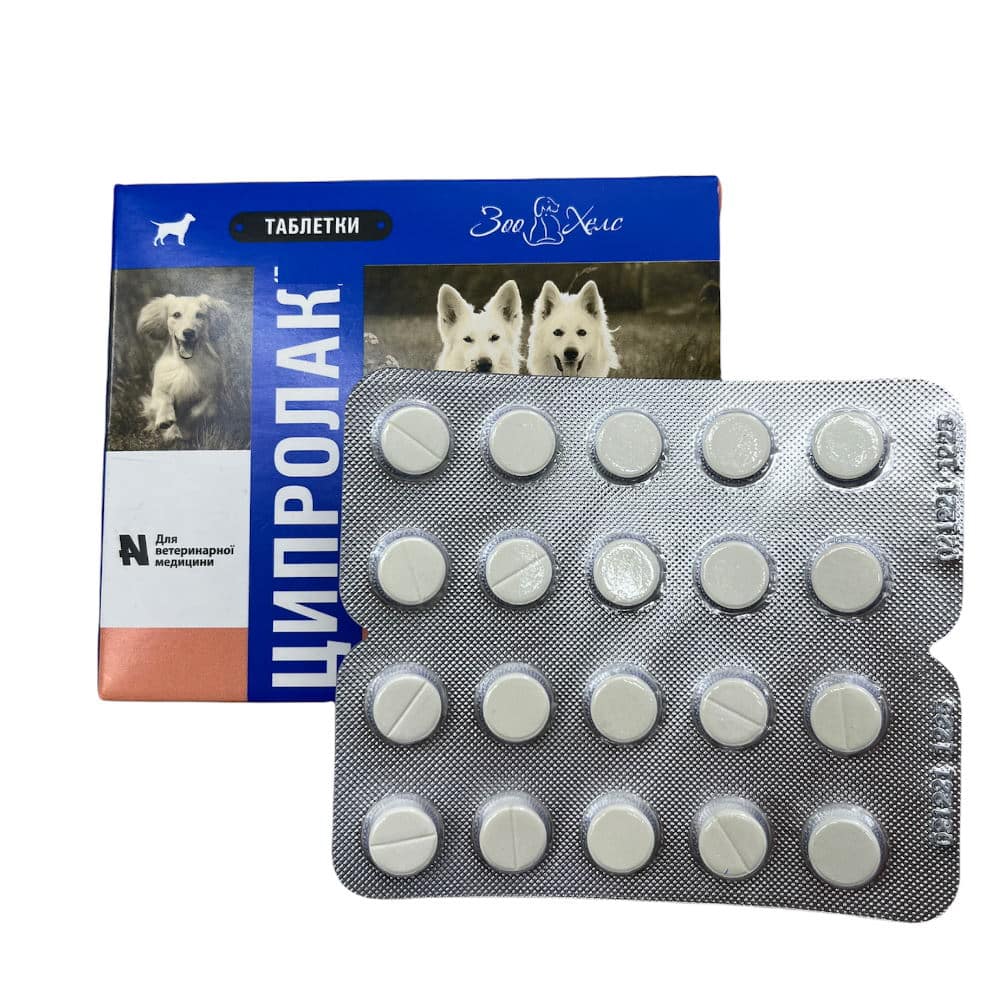


Ciplak 15 mg for Cats and Dogs 40 tablets
Original price was: $32.99.$30.68Current price is: $30.68.

NEMA Paste for Horses - 28g
Original price was: $32.99.$30.68Current price is: $30.68.
Ciplak 50 mg for Dogs 40 tablets
Original price was: $39.59.$36.18Current price is: $36.18.
| ACTIVE INGREDIENT | Ciprofloxacin |
|---|---|
| HEALTH CONDITION | Antibiotics |
| ANIMALS | Cats, Dogs |
| BRAND | Ukrzoovetprompostach |
| FORM | Tablets |
| SIZE | 40 tablets |
Customers Also Viewed
Original price was: $21.81.$17.71Current price is: $17.71.
Original price was: $249.58.$230.88Current price is: $230.88.

Original price was: $39.59.$33.98Current price is: $33.98.
Original price was: $29.90.$24.20Current price is: $24.20.
Original price was: $38.49.$36.18Current price is: $36.18.
Description
Ciprolac 50 mg (ciprofloxacin) tablets for Dogs and Cats, 40 tablets (20 tabs*2pcs)
Ciprofloxacin for Dogs and Cats
Description
Tsiprolak 50 mg flat-cylindrical tablets with division, white or almost white, weight 0.5 g.
Composition
Ciprolac 50 mg 1 tablet contains active ingredient: ciprofloxacin hydrochloride – 50 mg.
Pharmacological properties
ATCvet classification code: QJ01MA02. Antibacterial agents for systemic use, a group of fluoroquinolones, ciprofloxacin.
Ciprofloxacin is a synthetic antibacterial drug of the fluoroquinolone group with a broad spectrum of action.
The drug is active against gram-negative and gram-positive microorganisms, especially against E. coli, Salmonella spp., Shigella spp., Enterobacter spp., Klebsiella spp., Proteus spp., Serratia spp., Camphylobacter spp., Pseudomonas aeruginosa, Yersinia spp., spp., Aeromonas spp., Haemophilus spp., are also susceptible to the drug: Pasteurella multocida, Plesiomonas shigelloides, Campylobacter jejuni, Chlamydia trachomatis, Listeria monocytogenes, Corynebacterium diphtheriase., Bruceloceriase, Streptococcus spp. (including penicillinase-producing and methicillin-resistant strains), Mycoplasma spp., Mycobacterium spp.
The mechanism of action of ciprofloxacin is to suppress bacterial DNA gyrase (topoisomerase II), as a result of which DNA replication and the synthesis of bacterial cellular proteins are disrupted, which leads to the death of the microorganism.
After oral administration, ciprofloxacin is easily absorbed in the gastrointestinal tract (mainly in the duodenum and jejunum) and is distributed in organs and tissues of the body (excluding tissues rich in fats), penetrates into the pleura, peritoneum, lymph, ocular fluid and placenta.
The maximum concentration of ciprofloxacin in the blood serum is reached after 1.5-2 hours, the therapeutic concentration is maintained for 24 hours after oral administration of the drug.
Ciprofloxacin is excreted from the body mainly unchanged and partially in the form of metabolites with urine and bile, in lactating animals also with milk.
According to the degree of impact on the body, Tsiprolak belongs to moderately hazardous substances (hazard class 3 according to GOST 12.1.007-76), in the recommended doses it does not have a local irritating and resorptive-toxic effect, does not have embryotoxic and teratogenic properties.
Application
For the treatment of dogs and cats with chronic and acute bacterial infections, the causative agents of which are sensitive to ciprofloxacin:
- respiratory infections
- infections of the gastrointestinal tract and biliary tract
- kidney and / or urinary tract infections
- genital infections
- skin and soft tissue infections cat and dog pictograms
- bone and joint infections
- secondary infections in viral diseases.
Dosage
Tsiprolac tablets are administered to animals individually orally once a day for 3-5 days in a dose
| Animal species | Dose of the drug | |
| Tsiprolac 15 mg | Tsiprolac 50 mg | |
| Cats, dogs of small breeds | 1 tab. for every 3 kg of body weight | – |
| Dogs of medium and large breeds | – | 1 tab. for every 10 kg of body weight |
*Kilograms to a Pounds conversion table
| Kilograms (kg) | Pounds (lb) | Pounds+Ounces (lb+oz) |
| 0.1 kg | 0.220 lb | 0 lb 3.527 oz |
| 1 kg | 2.205 lb | 2 lb 3.274 oz |
| 5 kg | 11.023 lb | 11 lb 0.370 oz |
| 10 kg | 22.046 lb | 22 lb 0.740 oz |
Side effect
As a rule, there are no side effects and complications in dogs and cats when using the drug in accordance with the instructions.
With increased individual sensitivity of the animal to fluoroquinolones and the appearance of signs of undesirable action (nausea, vomiting, diarrhea, dizziness, ataxia, sleep disturbance, convulsions, cardiac arrhythmias, skin rashes, edema, tendonitis and arthropathy), the use of the drug is stopped and desensitizing therapy is carried out.
Contraindications
During treatment, intense sun exposure should be avoided to prevent the development of photosensitivity. The use of the drug is not allowed: with pronounced disorders of the development of cartilage tissue; with lesions of the nervous system, accompanied by convulsions; females during pregnancy and lactation, puppies and kittens until the end of the growth period.
Interaction with other medicinal products and other forms of interaction
The simultaneous administration of ciprofloxacin with theophylline, caffeine, indirect anticoagulants is accompanied by an increase in the concentration of these drugs in the blood. Antacids containing aluminum and magnesium ions (maalox, aluminum hydroxide), sucralfate, preparations containing ions of calcium, iron, zinc, bismuth reduce the bioavailability of fluoroquinolones. With the use of phenytoin, the risk of seizures increases, especially in patients with epilepsy. Antagonism with nitrofurantoin, tetracycline, chloramphenicol is noted.
Release form
Blisters of 10 tablets, cardboard boxes of 2 blisters.
Storage
In the manufacturer’s sealed packaging, separately from food and feed, in a dry place, protected from direct sunlight, out of reach of children, at temperatures from 0 ° C to 25 ° C. Shelf life is 4 years.
Delivery
We offer FREE SHIPPING WORLDWIDE for all products.
Questions & Answers
Questions and answers of the customers
You may also like…

-7% Hot CiprofloxacinDexamethasoneEye & Ear Treatments
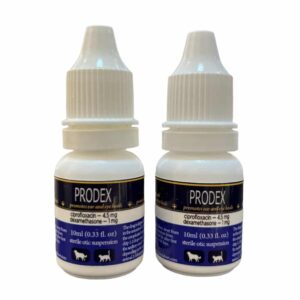
Prodex eye and ear drops – 10 ml (0.33fl. oz)
Prodex eye and ear drops for dogs and cats (Ciprodex analog)
Treatment of dogs, cats, small, exotic and decorative animals with acute and chronic inflammation of the eyes and ears that are the result of bacterial, chemical or traumatic effects - conjunctivitis, blepharitis, keratitis, keratoconjunctivitis, iritis, iridocyclitis, ulcers and erosion of the cornea, eye diseases after injuries or ingress of foreign bodies or aggressive compounds in the after and preoperative periods, as well as otitis media, otorrhea, in particular, caused by the extraneous intervention.

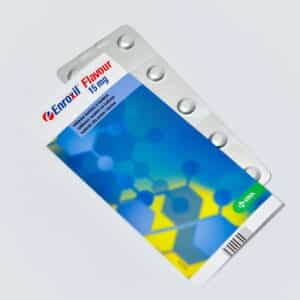
-5% New Enrofloxacin

-7% New CiprofloxacinColistin sulfate
Related products
-6% Tylosin
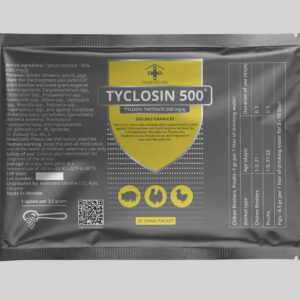
TYCLOSIN 500 mg/g Soluble Powder for dogs, chickens and pigs (100g/0.22lbs)
Tylosin (Tylan powder) 500 mg for chickens ● poultry ● pigs ● dogs
Tylosin is an antibiotic typically used to treat bacterial infections in farm animals, but veterinarians often use it to treat certain types of chronic diarrhea in cats and dogs. The powder form is not FDA approved for use in companion animals, but it is common practice for veterinarians to prescribe this medication. The drug is also given as an injectable type.
It is prescribed for the prevention and treatment of respiratory mycoplasmosis of birds, infectious sinusitis of turkeys, as well as the treatment of dysentery and gastroenterocolitis of bacterial etiology of pigs, bronchopneumonia of calves caused by pathogens sensitive to tylosin. To combat necrobacteriosis in cattle and small ruminants.
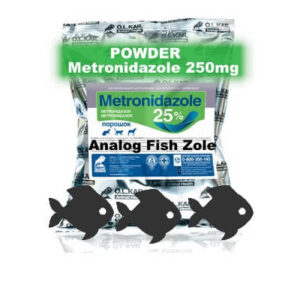
-14% MetronidazoleAntiprotozoal
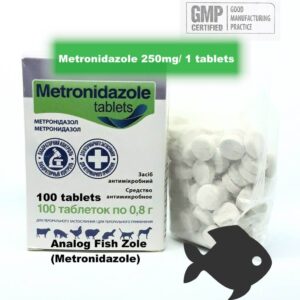
Antiprotozoal Metron powder for ornamental, aquarium fish and farm animals 100g (0.22 lbs)
Metronidazole 25% Powder (Metro Zole)
Exerts a bactericidal action on gram-positive and some gram-negative bacteria. It has a good effect against a size of pathogenic bacteria associated with ornamental fish diseases. In other words, diseases including Aeromonas and pseudomonas genera and mycobacterial group (gill diseases, Rhodococcus). It is useful in the control of “Hole-in-the-Head” and “Angel Problems” in Cichlid and Discus.
Treatment of cattle, sheep, pigs, fur-bearing animals, dogs, cats and birds suffering from trichomoniasis, dysentery, diarrhea, colitis, stomatitis, as well as diseases of the respiratory system, genitourinary system, gastrointestinal tract and skin caused by microorganisms sensitive to metronidazole.
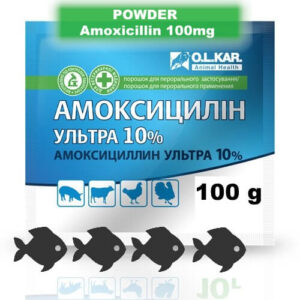
-12% Amoxicillin
Amox 10% powder useful to control of some common bacterial fish and animals 100g
Amoxicillin Ultra 10% Powder
Treatment of calves (under 3 months), pigs and poultry (chickens, broilers, replacement chicks birds) in diseases of the digestive tract, respiratory and urinary tract, skin and soft tissue caused by microorganisms sensitive to amoxicillin.
Dosage Oral doses of calves up to 3 months and pigs -1-2 g product per 10 kg of body weight per day up or 7-15 g product per 10 liters of drinking water per day up within 5-7 days; poultry (chicken, chickens, young birds repair) – 0.5 – 1 g drug per 10 kg of body weight per day up or 5-10 g product per 10 liters of drinking water per day up within 5-7 days. Renew the water with the drug should be every 24 hours.

-6% Tylosin
TYCLOSIN 500 mg/g Soluble Powder for dogs, chickens and pigs (100g/0.22lbs)
Tylosin (Tylan powder) 500 mg for chickens ● poultry ● pigs ● dogs
Tylosin is an antibiotic typically used to treat bacterial infections in farm animals, but veterinarians often use it to treat certain types of chronic diarrhea in cats and dogs. The powder form is not FDA approved for use in companion animals, but it is common practice for veterinarians to prescribe this medication. The drug is also given as an injectable type.
It is prescribed for the prevention and treatment of respiratory mycoplasmosis of birds, infectious sinusitis of turkeys, as well as the treatment of dysentery and gastroenterocolitis of bacterial etiology of pigs, bronchopneumonia of calves caused by pathogens sensitive to tylosin. To combat necrobacteriosis in cattle and small ruminants.
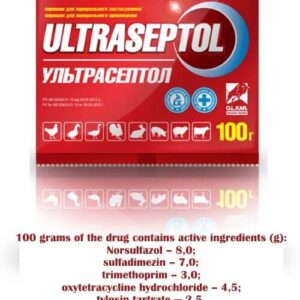
-16% NorsulfazoleOxytetracyclineSulfadimidineTrimethoprimTylosin
Ultrasept powder for Cattle, Pigs, Sheeps, Poultry 500 g
Ultrasept powder (sulfadimine, oxytetracycline, trimethoprim, tylosin, norsulfazole)
For the prevention and treatment of animals and poultry with primary and secondary bacterial infections of the respiratory, digestive and urinary tracts that is: the upper respiratory tract catarrh, pneumonia, enteritis, cystitis, mastitis, septicemia, postnatal complications, and a size of specific infections:
– Calves – Salmonella gastroenteritis kolibatselyarny, pasteurellosis, vibriosis;
– Pigs – enzootic pneumonia, arthritis, dysentery, edematous disease erysipelas, salmonellosis, pasteurellosis;
– Sheep – septicemia, eymerioz, contagious agalactia;
– Poultry – typhoid, cholera, salmonellosis, mycoplasmosis, rhinitis.
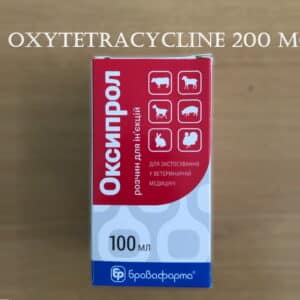
-14% Oxytetracycline

-7% Tylosin

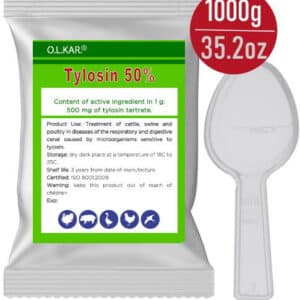
Tyсlosin 50% POWDER for pigs, poultry and chickens (1KG)
Tylosin (Tylan) Soluble powder for dogs✔ for chickens✔ for cats✔
Tylosin is effective against gram-positive and some gram-negative microorganisms: Corynebacterium spp., Clostridium spp., Erysipelothrix spp., Pasteurella spp., Vibrio spp., Leptospira spp., Brucella spp., Neisseria spp., Haemophilus spp... And against rickettsiae (Rickettsia spp.), spirochetes (Spirochaeta (Borrelia anserina, Brachyspira hyodysenteriae)), and mycoplasmas (M. gallisepticum, M. synoviae, M. meleagridis, etc..). In other words, tylosin exhibits bacteriostatic effect by inhibition of protein synthesis (via the irreversible connection with bacterial 50S ribosomal subunits) and microbial cell growth and reproduction, respectively.

-5% Tylosin
TYCLOSIN 500mg / 50% powder for poultry, chickens and pigs (500g)
Tylosin (Tylan powder) 500mg for dogs✔ for chickens✔ for cats✔
Tylosin is an antibiotic typically used to treat bacterial infections in farm animals, but veterinarians often use it to treat certain types of chronic diarrhea in cats and dogs. The powder form is not FDA approved for use in companion animals, but it is common practice for veterinarians to prescribe this medication. The drug is also given as an injectable type.
Tylosin – the drug of a wide spectrum bacteriostatic action.
Active ingredient tylosin tartrate 500 mg is a mixture of macrolide antibiotics produced by a strain of Streptomyces fradiae, comprising mainly tylosin A.
For: Chickens, Turkeys, Swine, Honey Bees, and occasionally can be prescribed to dogs and cats