Online Pet Vet Pharmacy: Best Deals Up to 40% Off + FREE Shipping on Orders $100+































-8% New 

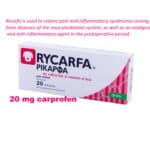
Meat flavor Tablets for dogs, 20 mg / 20 tablets
Original price was: $40.69.$36.18Current price is: $36.18.
Inteflox Oral 10% liquid for chickens, broiler chickens (1000ml/33.8 fl. oz)
Original price was: $113.06.$97.76Current price is: $97.76.
Rycar Solution *Inj for dogs, 50 mg ( 20 ml )
Original price was: $95.69.$87.88Current price is: $87.88.
Zoetis Rimadyl P
A new generation anti-inflammatory drug, which is intended for the treatment of inflammatory and painful phenomena caused by acute and chronic diseases of the musculoskeletal system, as well as an analgesic and anti-inflammatory agent to reduce postoperative pain and edema in dogs.
| ACTIVE INGREDIENT | Carprofen |
|---|---|
| HEALTH CONDITION | Anti-inflammatory, Arthritis Pain & Inflammation |
| ANIMALS | Dogs |
| BRAND | KRKA |
| FORM | Solution |
| SIZE | 20ml (0,66 oz) |
Customers Also Viewed
Original price was: $23.09.$20.90Current price is: $20.90.
Original price was: $121.14.$109.56Current price is: $109.56.

Original price was: $186.10.$175.88Current price is: $175.88.
Original price was: $39.48.$35.53Current price is: $35.53.
Description
Rycarfa solution for injection, 20 ml (carprofen)
Description
Transparent solution of light yellow color.
Composition
100 g of the drug contains the active ingredient:
carprofen – 50 mg.
Excipients: arginine, glycocholic acid, lecithin (soy), benzyl alcohol, sodium hydroxide, water for injection, diluted hydrochloric acid (to adjust pH).
Pharmacological properties
ATCvet classification code QM01AE91 – anti-inflammatory drugs, non-steroidal.
Carprofen has anti-inflammatory, analgesic and antipyretic properties. Like most other non-steroidal anti-inflammatory drugs, carprofen is an inhibitor of the arachidonic acid cyclooxygenase enzyme.
However, the property, inhibition of prostaglandin synthesis by carprofen, is weak compared to its anti-inflammatory and analgesic potential. The full mechanism of action of carprofen is not well understood.
Carprofen is a chiral drug with the S (+) enantiomer, which is more active than the R (-) enantiomer. In vivo, there is no chiral inversion between enantiomers.
Carprofen is well absorbed after subcutaneous administration, the maximum plasma concentration is reached within 3 hours after administration.
The volume of distribution is small. Carprofen binds sufficiently to blood plasma proteins.
The half-life of carprofen in dogs is approximately 10 hours. In cats, the half-life is longer, with a range of 9-49 hours after administration (average ~ 20 hours).
Application
Dogs: To control postoperative pain and inflammation during orthopedic and soft tissue (including intraocular) surgery.
Cats: for postoperative pain control during surgery.
Dosage
Dogs: intravenously or subcutaneously at a dose of 4 mg carprofen per 1 kg of body weight (1 ml of the drug per 12.5 kg of body weight). It is better to administer the drug before surgery or at the time of premedication or anesthesia.
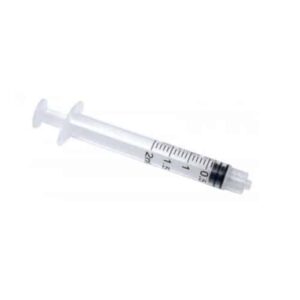
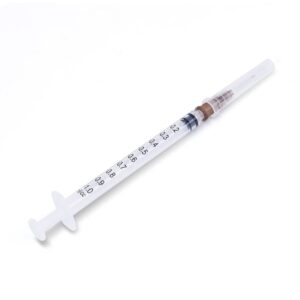
Males: intravenously or subcutaneously at a dose of 4 mg carprofen per 1 kg of body weight (0.24 ml of the drug per 3 kg of body weight). It is better to administer the drug before surgery or at the time of anesthesia. After a long half-life in cats and a narrow therapeutic index in particular, the recommended dose should not be exceeded and the administration should not be repeated. For accurate dose measurement, a 1 ml syringe is recommended.
Experience in clinical studies in dogs and cats indicates that only one dose of carprofen is needed in the first 24 hours before surgery; if additional analgesia is needed during this period, dogs (but not cats) may be given half the dose (2 mg / kg) of carprofen.
In dogs, prolongation of the analgesic and anti-inflammatory effect after surgery can be achieved with Ricarf’s drug – tablets at a dose of 4 mg / kg / day for a period of up to 5 days.
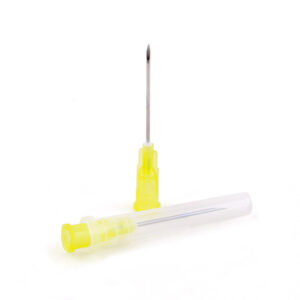
Needle No. 21 should be used to inject the drug.
Up to 20 punctures can be done through the cap. In order to reduce the risk of drug contamination, it is recommended to use a removable needle to reduce the number of punctures.
Contraindications
Do not use in case of hypersensitivity to the active substance or to any excipient.
Do not use on animals with heart, liver or kidney disease when there is a possibility of ulceration or bleeding in the alimentary canal.
Do not use in cats under 4 months of age.
Do not use in dogs less than 10 weeks of age.
Warning
Due to the long half-life in cats and the narrow therapeutic index, in particular, the recommended dose should not be exceeded; a 1 ml syringe is recommended for accurate dose measurement.
Application to any animal less than 6 weeks of age, or to older animals, may pose an additional risk. If such use cannot be avoided, then animals need close clinical observation.
Avoid use in animals with dehydration, hypovolemia or hypotension, as there is a potential risk of increased renal toxicity.
Non-steroidal anti-inflammatory drugs can inhibit phagocytosis, and thus appropriate competitive antimicrobial therapy for inflammatory processes associated with bacterial infection should be carried out.
After accidentally administering the drug to a person, seek medical attention by showing the doctor the package insert or package of the drug.
Proven in laboratory animals, carprofen, like all other non-steroidal anti-inflammatory drugs, tends to cause photosensitivity. Avoid skin contact with the drug. If this happens, immediately rinse the affected area with water.
Due to the lack of any special studies, the drug should not be used on pregnant animals.
Do not use other non-steroidal anti-inflammatory drugs and glucocorticoids at the same time or within 24 hours after drug administration. Carprofen binds very strongly to blood plasma proteins and can compete with other drugs of a similar effect, which can lead to toxic effects.
Simultaneous administration of drugs potentially toxic to the kidneys should be avoided.
There is no specific antidote for carprofen overdose, but standard maintenance therapy should be taken, which is used for clinical overdose of non-steroidal anti-inflammatory drugs.
Release form
Glass vials, closed with rubber stoppers, for aluminum rinsing, 20 ml each. Secondary packaging – boxes.
Storage
Store in a refrigerator (between 2 ºC and 8 ºC).
Do not freeze.
Shelf life is 3 years.
The shelf life after the first withdrawal from the bottle is 28 days if stored in a dry, dark place at a temperature of 2 ºC to 25 ºC.
For use in veterinary medicine!
Reviews (0)
You must be logged in to post a review.
Delivery
We offer FREE SHIPPING WORLDWIDE for all products.
Questions & Answers
Questions and answers of the customers
Related products
-19% 
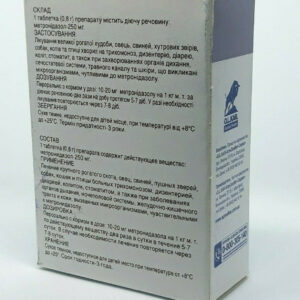
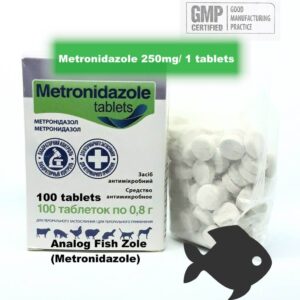
Metron 250 for ornamental and aquarium fish and farm animals (100 tablets)
Metronidazole 250 aquarium fish✔ dogs✔ for chickens✔ for cats✔ (Fish Zole)
Metronidazole is an oral medication prescribed for the treatment of various types of infections, including bacterial infections and protozoal infections caused by parasites. Metronidazole may also help treat other inflammations found in the gastric system.
Metronidazole is especially effective against anaerobic infections - bacteria that can live without oxygen. It's able to penetrate bone, making it especially useful in oral/dental infections. In addition, it has anti-inflammatory properties in the large intestine and is an effective anti-diarrhea medication for certain diseases.

-13% Hot New 

Tyclosin 50 mg Pharmastar Sterile Solution *inj 50ml (1.7 oz)
- An antibiotic for beef cattle, non-lactating dairy cattle and swine only
- Recommended for use in calves weighing less than 200 pounds
- Administered intramuscularly for quick relief
- Treats pneumonia (shipping fever), foot rot, diphtheria and metritis in cattle
- Treats arthritis, pneumonia, erysipelas and dysentery in swine
-14%
Metron powder for ornamental, aquarium fish and farm animals 100g (0.22 lbs)
Metronidazole 25% Powder (Metro Zole)
Exerts a bactericidal action on gram-positive and some gram-negative bacteria. It has a good effect against a size of pathogenic bacteria associated with ornamental fish diseases. In other words, diseases including Aeromonas and pseudomonas genera and mycobacterial group (gill diseases, Rhodococcus). It is useful in the control of “Hole-in-the-Head” and “Angel Problems” in Cichlid and Discus.
Treatment of cattle, sheep, pigs, fur-bearing animals, dogs, cats and birds suffering from trichomoniasis, dysentery, diarrhea, colitis, stomatitis, as well as diseases of the respiratory system, genitourinary system, gastrointestinal tract and skin caused by microorganisms sensitive to metronidazole.
-12%
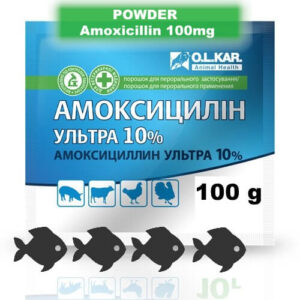
Amox 10% powder useful to control of some common bacterial fish and animals 100g
Amoxicillin Ultra 10% Powder
Treatment of calves (under 3 months), pigs and poultry (chickens, broilers, replacement chicks birds) in diseases of the digestive tract, respiratory and urinary tract, skin and soft tissue caused by microorganisms sensitive to amoxicillin.
Dosage Oral doses of calves up to 3 months and pigs -1-2 g product per 10 kg of body weight per day up or 7-15 g product per 10 liters of drinking water per day up within 5-7 days; poultry (chicken, chickens, young birds repair) – 0.5 – 1 g drug per 10 kg of body weight per day up or 5-10 g product per 10 liters of drinking water per day up within 5-7 days. Renew the water with the drug should be every 24 hours.

-6% 
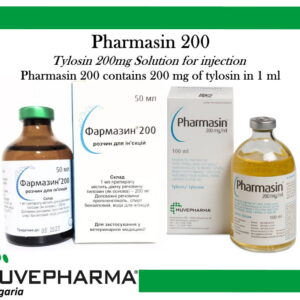
TYCLOSIN 500 mg/g Soluble Powder for dogs, chickens and pigs (100g/0.22lbs)
Tylosin (Tylan powder) 500 mg for chickens ● poultry ● pigs ● dogs
Tylosin is an antibiotic typically used to treat bacterial infections in farm animals, but veterinarians often use it to treat certain types of chronic diarrhea in cats and dogs. The powder form is not FDA approved for use in companion animals, but it is common practice for veterinarians to prescribe this medication. The drug is also given as an injectable type.
It is prescribed for the prevention and treatment of respiratory mycoplasmosis of birds, infectious sinusitis of turkeys, as well as the treatment of dysentery and gastroenterocolitis of bacterial etiology of pigs, bronchopneumonia of calves caused by pathogens sensitive to tylosin. To combat necrobacteriosis in cattle and small ruminants.
-11% Sold out
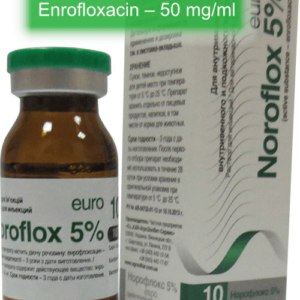
Noroflox 5% Solution for Cattle and Pigs (10ml)
Noroflox 5% injection (Enrofloxacin)
The active ingredient of the drug – enrofloxacin, belongs to the fluoroquinolone group of antibiotics and has a broad spectrum of activity against gram-positive and gram-negative bacteria. Its mechanism of action is based on the inhibition of bacterial gyrase enzyme, leading to disruption of bacterial DNA replication.
After parenteral administration of enrofloxacin rapidly and completely absorbed due to high bioavailability. Its maximum concentration is reached after an average of 6 hours. Therapeutic concentration is maintained within 2 days. Enrofloxacin partially metabolized in the liver and excreted in the urine and bile.
Enrofloxacin has a high level of distribution. Thus, the concentration in the tissues and organs is usually higher than in serum. The bodies, which can be observed the highest concentration – the lungs, liver, kidneys, intestines.
Reviews
There are no reviews yet.