Online Pet Vet Pharmacy: Best Deals Up to 40% Off + FREE Shipping on Orders $100+




























-7% New AmoxicillinClavulanic acid



COCCIFEN oral suspension for cats and dogs 25 ml
Original price was: $35.38.$31.18Current price is: $31.18.
Combikel 40 LA, Suspension for injection 100 ml
Original price was: $79.00.$59.60Current price is: $59.60.
Amok suspension 100 ml
Original price was: $68.20.$63.56Current price is: $63.56.
| ACTIVE INGREDIENT | Amoxicillin, Clavulanic acid |
|---|---|
| HEALTH CONDITION | Antibiotics |
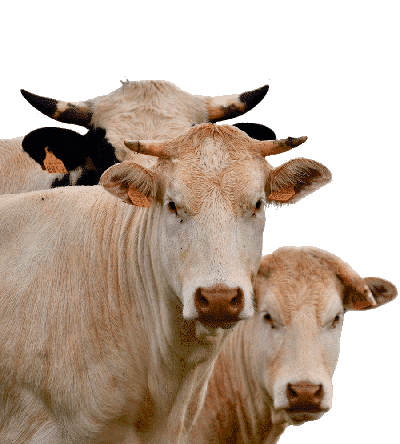
| ANIMALS | Cats, Cattle, Dogs, Goat, Pigs, Sheep |
| BRAND | Brovafarma |
| FORM | Solution, Suspension ❙ Emulsion ❙ Liquid |
| SIZE | 100ml (3.38 oz) |
Customers Also Viewed
Original price was: $23.09.$20.90Current price is: $20.90.
Original price was: $31.89.$29.58Current price is: $29.58.

Original price was: $38.49.$36.18Current price is: $36.18.
Original price was: $28.59.$25.07Current price is: $25.07.
Description
Amok (amoxicillin, clavulanic acid) suspension, 100 ml
Description
Suspension is white or light yellow, homogeneous, oily, sterile.
Composition
1 ml contains:
amoxicillin (as amoxicillin trihydrate) – 140 mg
clavulanic acid (in the form of potassium clavulanate) – 35 mg
Pharmacological properties
Amoxicillin is a broad-spectrum aminopenicillin antibiotic. It is effective against gram-positive microorganisms – Staphylococcus spp., Streptococcus spp., Arcanobacterium spp., Corynebacterium spp., Clostridium spp., Bacillus anthracis, Listeria monocytogenes, Erysipelothrix rhusiopathiae, and gram-negative microorganisms – Pasteurella spp., Haemophilus spp., Actinobacillus spp., Escherichia coli, Salmonella spp., Moraxella spp., Fusobacterium spp. The mechanism of action is to disrupt the synthesis of the bacterial cell wall by irreversibly blocking penicillin-binding proteins (PBPs) – the enzymes transpeptidase and carboxypeptidase.
Clavulanic acid has a ß-lactam structure similar to penicillins. Resistance to ß-lactam antibacterial drugs is due to the ability of microorganisms to produce ß-lactamase, an enzyme that destroys the ß-lactam rings of the antibiotic before it has time to affect the bacterial cell. Clavulanic acid inactivates ß-lactamase and restores the sensitivity of bacteria to the bactericidal action of amoxicillin in concentrations that are easily achieved in animal tissues after administration of the drug. It has a weak antibacterial effect; Klebsiella pneumoniae, Proteus spp., Bacteroides spp., Staphylococcus spp. are sensitive to it.
After subcutaneous and intramuscular administration to dogs and cats and after intramuscular administration to cattle and pigs, amoxicillin and clavulanic acid are rapidly absorbed and distributed throughout the body tissues, reaching high concentrations in muscle tissue, liver, and kidneys. Amoxicillin penetrates the brain and bone fluid in small amounts when there is no inflammation of the meninges. Amoxicillin can cross the placenta.
In cattle, the half-life of amoxicillin is 1.5 hours, and of clavulanic acid is 0.9–1.5 hours. After intramuscular administration of a therapeutic dose, the maximum serum concentration of amoxicillin is about 3 μg/ml, and of clavulanic acid is 2 μg/ml. After three injections, the concentration of both substances in the lungs can reach 30% of the serum concentration.
In dogs, after subcutaneous administration, the maximum serum concentration of amoxicillin is observed after 3 hours (6.0 μg/ml), of clavulanic acid – after 1 hour (4.8 μg/ml). The half-life of amoxicillin is 6.77 hours, of clavulanic acid – 0.78 hours.
In cats, after subcutaneous administration, the maximum concentration of amoxicillin in the blood serum is reached after 2 hours (16.5 μg/ml), clavulanic acid – after 0.5 hours (10.3 μg/ml). The half-life of amoxicillin is 1.09 hours, clavulanic acid – 0.61 hours.
Amoxicillin and clavulanic acid are excreted from the body mainly in the urine.
Indication
Treatment of animals for diseases caused by microorganisms sensitive to amoxicillin and clavulanic acid:
- cattle – metritis, mastitis, respiratory, skin and soft tissue diseases (including abscesses);
- pigs – colibacillosis, mastitis-metritis-agalactia syndrome, respiratory diseases;
- dogs, cats – diseases of the respiratory system, urinary tract, skin and soft tissues (including abscesses, pyoderma, anal sacculitis, gingivitis).
Contraindication
Do not administer to animals with hypersensitivity to penicillins and cephalosporins, as well as to animals with impaired renal function.
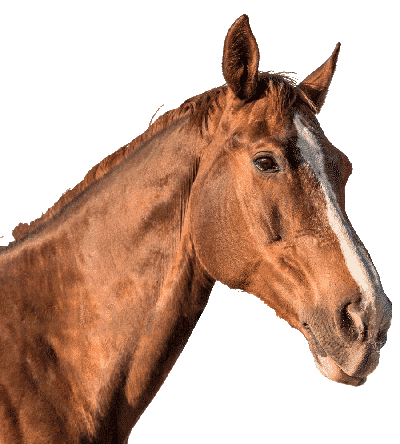
Do not use in horses (amoxicillin disrupts the microflora of the cecum), rabbits, guinea pigs, hamsters and other small herbivores.
Do not use simultaneously with antibiotics of the tetracycline, macrolide, sulfonamide and chloramphenicol groups.
Do not use intravenously or in case of known resistance to the active substances.
Method of administration and doses
Before use, the drug is shaken thoroughly and administered at a dose of 1 ml per 20 kg of body weight (7 mg of amoxicillin and 1.75 mg of clavulanic acid per 1 kg of body weight), once a day, the course is 3–5 days.
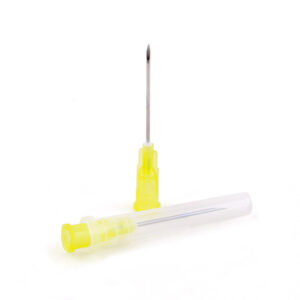
Dogs and cats are injected intramuscularly or subcutaneously, cattle and pigs – only intramuscularly, the injection site is lightly massaged. Only dry syringes and needles are used, since the activity of clavulanic acid decreases upon contact with water!
The minimum doses for dogs and cats are listed in the table.
| Animal species | Body weight, kg | Dose, ml | ||||
| Cats | 1 | 0.05 | ||||
| 3 | 0.15 | |||||
| 5 | 0.25 | |||||
| Dogs | 5 | 0.25 | ||||
| 10 | 0.5 | |||||
| 20 | 1 | |||||
| 30 | 1.,5 | |||||
| 40 | 2 | |||||
If the injection volume is greater than the values below, it is divided and injected into different sites: cattle – 15 ml, pigs – 10 ml, dogs – 2 ml, cats – 1 ml.
Reservation
Sometimes after the administration of the drug, pain or local tissue reactions occur. Rarely, allergic reactions to penicillins may occur, as well as gastrointestinal disorders (vomiting, diarrhea, anorexia). In the event of allergic reactions, the use of the drug is discontinued and antihistamines and corticosteroids are prescribed.
Before using the drug, a test for the sensitivity of pathogens to amoxicillin and clavulanic acid should be performed. If this is not possible, therapy should be based on the local epidemiological situation. Use of the drug outside the indications may cause the spread of strains resistant to its active substances and reduce the effectiveness of other penicillins due to possible cross-resistance.
Clavulanic acid is sensitive to moisture, so only dry syringes should be used. Even a small amount of water will cause dark brown specks, indicating contamination and reduced activity of the drug, so its use should be discontinued immediately.
No specific reactions were observed at the beginning of administration or after discontinuation of the drug. It is imperative to strictly observe the intervals between injections, since their extension reduces the effectiveness of the drug. If a dose is missed, it is administered as soon as possible and treatment is resumed according to the scheme.
The drug is prescribed to pregnant animals by a veterinarian only if the expected benefit to the mother outweighs the potential risk to the fetus. It can be used during lactation without restrictions.
After the last application of the drug, cattle can be slaughtered for meat after 42 days, pigs after 31 days. Milk can be consumed by humans after 60 hours. Meat and milk obtained before this period are disposed of or fed to unproductive animals, depending on the conclusion of a veterinarian.
Storage conditions
With caution (according to list B). In a dry, dark place, inaccessible to children, at a temperature of +3 to +25 °C.
After opening the bottle, store the drug in the refrigerator and use within 28 days.
Expiration date
2 years.
Delivery
We offer FREE SHIPPING WORLDWIDE for all products.
Questions & Answers
Questions and answers of the customers
Related products

-14% Enrofloxacin

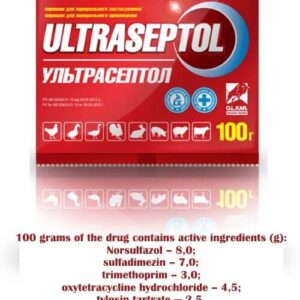
-16% NorsulfazoleOxytetracyclineSulfadimidineTrimethoprimTylosin
Ultrasept powder for Cattle, Pigs, Sheeps, Poultry 500 g
Ultrasept powder (sulfadimine, oxytetracycline, trimethoprim, tylosin, norsulfazole)
For the prevention and treatment of animals and poultry with primary and secondary bacterial infections of the respiratory, digestive and urinary tracts that is: the upper respiratory tract catarrh, pneumonia, enteritis, cystitis, mastitis, septicemia, postnatal complications, and a size of specific infections:
– Calves – Salmonella gastroenteritis kolibatselyarny, pasteurellosis, vibriosis;
– Pigs – enzootic pneumonia, arthritis, dysentery, edematous disease erysipelas, salmonellosis, pasteurellosis;
– Sheep – septicemia, eymerioz, contagious agalactia;
– Poultry – typhoid, cholera, salmonellosis, mycoplasmosis, rhinitis.
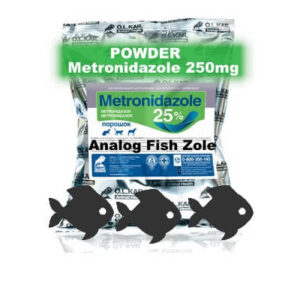
-10% MetronidazoleAntiprotozoal
Antiprotozoal Metron powder for ornamental, aquarium fish and farm animals 500g (1.1 lbs)
Metronidazole 25% Powder (Metro Zole)
Exerts a bactericidal action on gram-positive and some gram-negative bacteria. It has a good effect against a size of pathogenic bacteria associated with ornamental fish diseases. In other words, diseases including Aeromonas and pseudomonas genera and mycobacterial group (gill diseases, Rhodococcus). It is useful in the control of “Hole-in-the-Head” and “Angel Problems” in Cichlid and Discus.
Treatment of cattle, sheep, pigs, fur-bearing animals, dogs, cats and birds suffering from trichomoniasis, dysentery, diarrhea, colitis, stomatitis, as well as diseases of the respiratory system, genitourinary system, gastrointestinal tract and skin caused by microorganisms sensitive to metronidazole. Dosage Orally with food in a dose of 10-20 mg of metronidazole per 1 kg m.t. for the active substance - twice a day for 5-7 days. If necessary, treatment is repeated after 7-8 days.
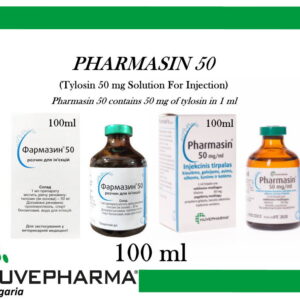
-10% New Tylosin

-7% Tylosin
TYCLOSIN 500 powder (50g) for Broiler chickens, Poultry, Pig, Dog
Tyclosin (Tylan Tylosin powder) 50% for dogs✔ for chickens✔ for cats✔
Tylosin is an antibiotic typically used to treat bacterial infections in farm animals, but veterinarians often use it to treat certain types of chronic diarrhea in cats and dogs. The powder form is not FDA approved for use in companion animals, but it is common practice for veterinarians to prescribe this medication. The drug is also given as an injectable type.
Tylosin – the drug of a wide spectrum bacteriostatic action.
Active ingredient tylosin tartrate 500 mg is a mixture of macrolide antibiotics produced by a strain of Streptomyces fradiae, comprising mainly tylosin A.
For: Chickens, Turkeys, Swine, Honey Bees, and occasionally can be prescribed to dogs and cats
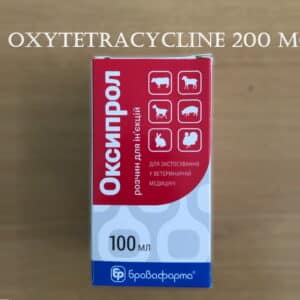
-14% Oxytetracycline
-7% Tylosin

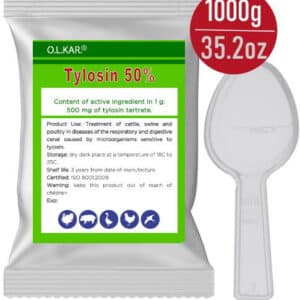
Tyсlosin 50% POWDER for pigs, poultry and chickens (1KG)
Tylosin (Tylan) Soluble powder for dogs✔ for chickens✔ for cats✔
Tylosin is effective against gram-positive and some gram-negative microorganisms: Corynebacterium spp., Clostridium spp., Erysipelothrix spp., Pasteurella spp., Vibrio spp., Leptospira spp., Brucella spp., Neisseria spp., Haemophilus spp... And against rickettsiae (Rickettsia spp.), spirochetes (Spirochaeta (Borrelia anserina, Brachyspira hyodysenteriae)), and mycoplasmas (M. gallisepticum, M. synoviae, M. meleagridis, etc..). In other words, tylosin exhibits bacteriostatic effect by inhibition of protein synthesis (via the irreversible connection with bacterial 50S ribosomal subunits) and microbial cell growth and reproduction, respectively.
-11% Sold out Enrofloxacin
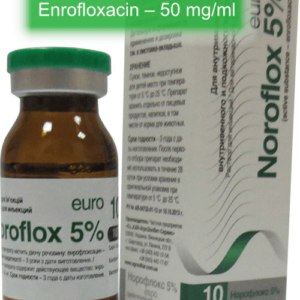
Noroflox 5% Solution for Cattle and Pigs (10ml)
Noroflox 5% injection (Enrofloxacin)
The active ingredient of the drug – enrofloxacin, belongs to the fluoroquinolone group of antibiotics and has a broad spectrum of activity against gram-positive and gram-negative bacteria. Its mechanism of action is based on the inhibition of bacterial gyrase enzyme, leading to disruption of bacterial DNA replication.
After parenteral administration of enrofloxacin rapidly and completely absorbed due to high bioavailability. Its maximum concentration is reached after an average of 6 hours. Therapeutic concentration is maintained within 2 days. Enrofloxacin partially metabolized in the liver and excreted in the urine and bile.
Enrofloxacin has a high level of distribution. Thus, the concentration in the tissues and organs is usually higher than in serum. The bodies, which can be observed the highest concentration – the lungs, liver, kidneys, intestines.